Impact projection 2025–2030

Numbers we are prepared to be measured against.

CHOLD Initiative aims to transform livestock systems through measurable, high-impact interventions across innovation, data systems, leadership engagement and sustainable development. Attaining these impacts is hinged on strong partnerships and collaborations with stakeholders.

CHOLD Initiative began livestock operations in 2025. The figures on this page are five-year targets, not results achieved.

5,000,000+
Livestock reached through improved animal health services and disease surveillance
25,000+
Stakeholders trained, including farmers, extension workers, policymakers and youth
100,000+
Livestock producers registered and tracked within digital data platforms
3,000+
Traditional leaders trained and engaged in livestock governance and planning
Impact area 01

Enhanced livestock productivity and health

5,000,000+
Livestock reached through improved animal health services and disease surveillance.
10,000+
Veterinary professionals trained in digital animal health systems and diagnostics.
80%
Reduction in response time to outbreaks in target areas through digital early warning systems.
Impact area 02

Strengthened traditional leadership engagement

3,000+
Traditional leaders trained and engaged in livestock governance and planning.
200+
Community-led livestock development frameworks co-designed with traditional institutions.
50%
Increase in local adoption of veterinary and livestock technologies via leadership endorsement.
Impact area 03

Livestock information & data systems integration

125+
Administrative sub-national levels reached with national or regional LIMS deployment.
100,000+
Livestock producers registered and tracked within digital livestock data platforms.
95%
Data accuracy achieved in herd management records and disease surveillance databases.
Impact area 04

Livestock value chain growth & innovation

5,000+
Agripreneurs and livestock SMEs supported through training, finance or market linkages.
30%
Increase in livestock product market access and revenue for rural producers.
1,000
New jobs created in supply chain logistics, cold storage and value-added livestock processing.
Impact area 05

Resilient & climate-adapted livestock systems

50+
Climate-resilient pastoral zones mapped and supported through data planning tools.
20%
Decrease in climate-related livestock losses in supported areas.

Development of climate-sensitive livestock insurance tools for vulnerable communities.

Impact area 06

Capacity building & knowledge exchange

25,000+
Stakeholders trained, including farmers, extension workers, policymakers and youth.
300+
Training sessions and knowledge workshops held on livestock systems innovation.

Creation of an open-access knowledge platform for data, research and training materials.

Impact area 07

Emergency response & coordination infrastructure

Faster containment depends on physical infrastructure and rehearsed protocol, not goodwill. These are the assets we intend to have standing by 2030.
10+
Emergency Livestock Coordination Centres designed or supported.
5+
National veterinary networks with real-time reporting channels established.
60%
Reduction in emergency response time through digitised communication and early alerts.
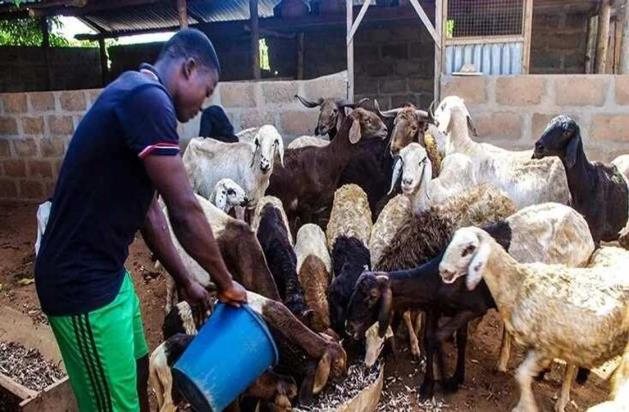
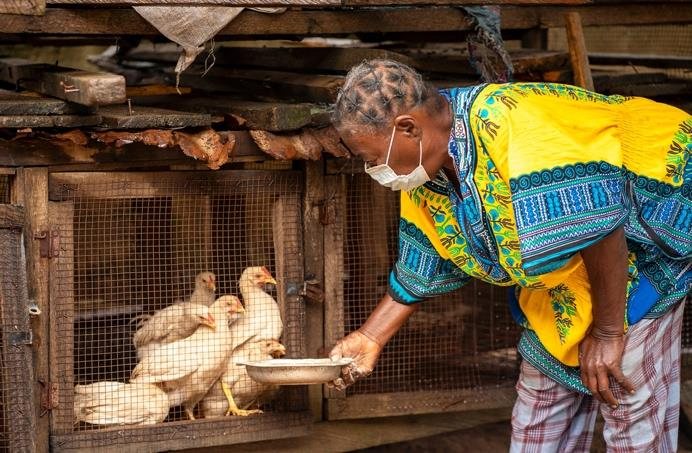
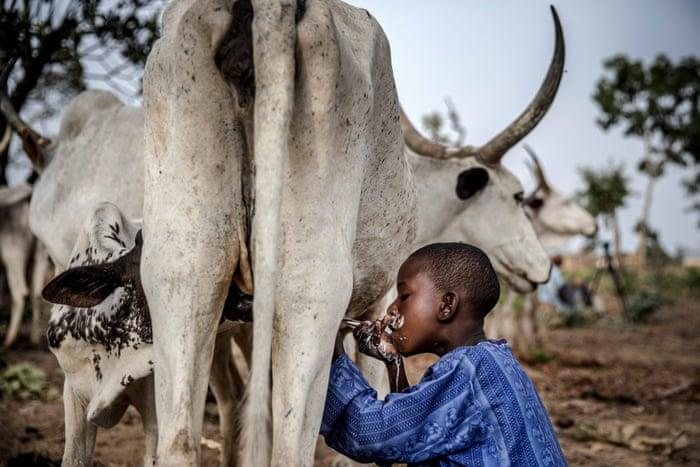
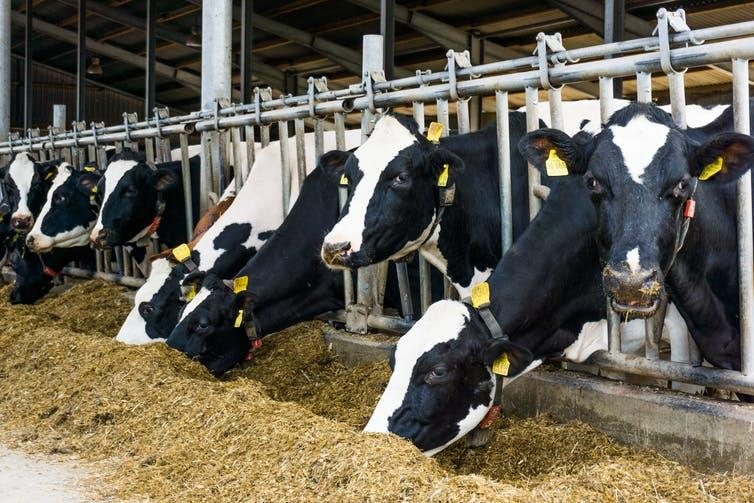
A child milking a cow Dairy cattle at a feeding rail A farmer watering sheep and goats A poultry keeper feeding ducks
How we measure

Targets are only credible with a system behind them

Every figure on this page traces back to a data source we are building rather than a survey we will commission at the end.

01

Baselines before activity

No intervention begins without a recorded baseline in the livestock information system, so change is attributable rather than asserted.

02

Data captured at source

Field-integrated collection through mobile reporting, community informants and RFID tagging means the record is created where the animal is, not in a spreadsheet afterwards.

03

Government-owned reporting

M&E systems are built inside the MDAs that will still be there after the programme closes, so measurement survives the funding cycle.

Partner with us

These targets need co-investors, not just observers.

We are seeking government, donor, private sector and research partners to deliver against the 2025–2030 framework.