Innovation
We embrace technology and creative thinking to drive progress in livestock systems.
CHOLD Initiative exists because livestock development in Africa keeps failing at the seams: between data and decision, between veterinary science and community trust, between national policy and the grazing route. We work on the seams.
The Center for Holistic Livestock Development Initiative (CHOLD Initiative) is a forward-looking non-profit organisation dedicated to transforming livestock ecosystems through innovation, research, data intelligence and inclusive leadership engagement.
CHOLD Initiative was registered with Nigeria's Corporate Affairs Commission in 2018 under the Companies and Allied Matters Act, originally as Cambio Development Communication Initiative. In 2025 the organisation was renamed and refocused on livestock systems, bringing together veterinary, public health and data expertise under a board chaired by Professor Oyewale Tomori.
We focus on the holistic development of livestock systems by integrating cutting-edge technologies with traditional practices, fostering sustainable livelihoods and strengthening value chains. Our work empowers communities, promotes animal health and creates resilient food systems, without boundaries or limitations of geography.
CHOLD Initiative bridges the gap between tradition and innovation, ensuring livestock remains a reliable asset for development, peace and prosperity.
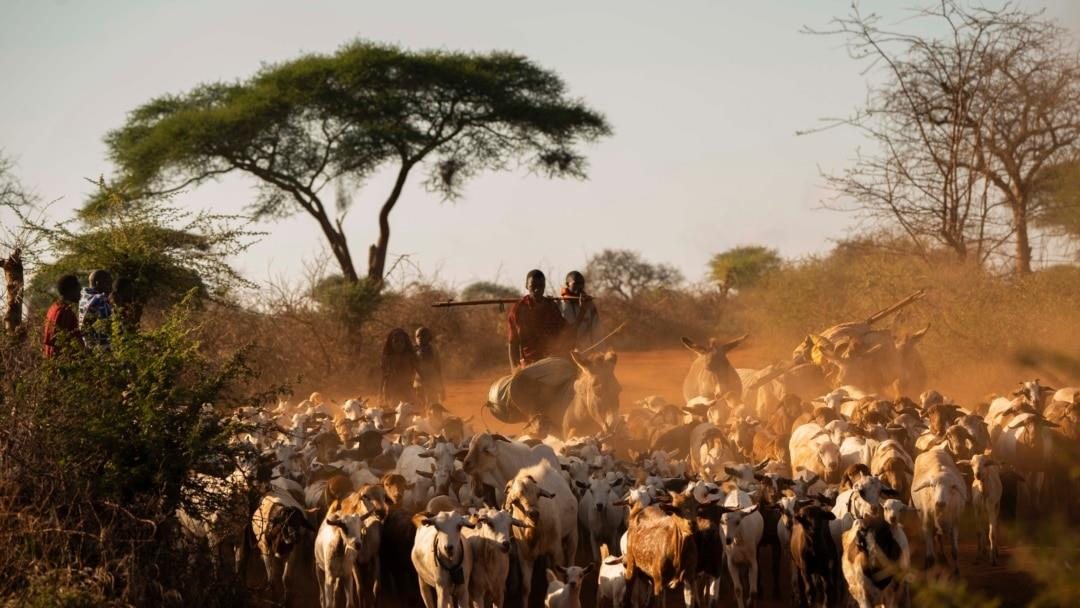
“Empowering livestock communities, securing Africa's future.”
We embrace technology and creative thinking to drive progress in livestock systems.
We operate with transparency, accountability and ethical standards.
We engage traditional leaders, communities and underserved populations.
We build systems and capacities that can withstand social, environmental and economic shocks.
We foster partnerships with stakeholders at all levels for shared impact.
We generate and share knowledge to inform policies and practices.
Livestock is a vital component of Nigeria's agricultural sector, contributing approximately 5–8% to national GDP and supporting the livelihoods of over 20 million people, especially in rural and pastoral communities. The country hosts a diverse livestock population (cattle, sheep, goats, poultry and pigs) which plays critical roles in food security, income generation and cultural practice.
Despite its importance, the sector faces low productivity, limited access to veterinary services, weak data systems, poor infrastructure, disease outbreaks, climate change and recurring farmer–herder conflicts. In response, the Federal Government has launched initiatives including the National Livestock Transformation Plan (NLTP), Animal Disease Control Programmes, and the Livestock Productivity and Resilience Support (L-PRES) project.
With strategic investment, innovation and inclusive governance, livestock development holds vast potential to drive rural transformation, nutrition and economic diversification in Nigeria and across the continent.
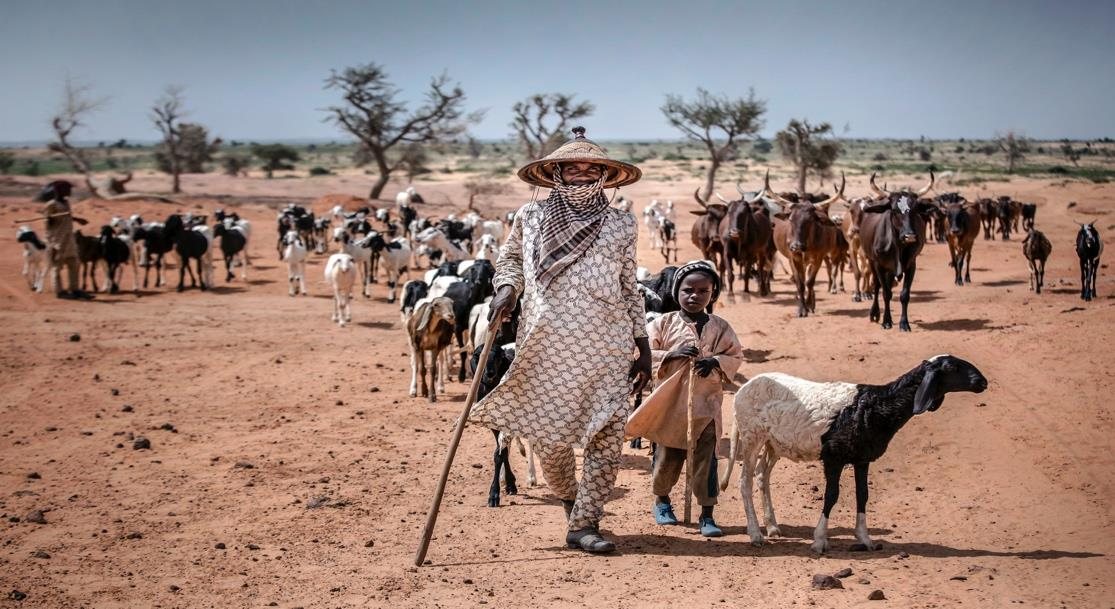
We name these plainly because a development programme that misdiagnoses the constraint will spend years solving the wrong problem.
Indigenous cows yield around 5 litres a day against 15+ litres in dairy breeds, pushing Nigeria to import roughly 60% of its milk (some 900,000 tonnes) at a cost near $1.5 billion a year.
Shrinking grazing land drove 8,343 conflict deaths between 2005 and 2021. In Zamfara alone some 377,245 animals were stolen between 2011 and 2019, representing over ₦2.8 billion in losses.
Northern Nigeria loses around 350,000 hectares to desertification each year, costing an estimated $5.1 billion annually and steadily reducing available pasture.
Around 77% of livestock farmers across 16 states and the FCT keep no basic production records, and the traditional institutions closest to those communities have only ever been engaged passively.
Outbreaks of diseases like FMD, PPR and African Swine Fever continue due to insufficient veterinary services, poor biosecurity and weak monitoring systems.
Poor roads, lack of cold storage, insufficient abattoirs and veterinary clinics lead to high transit losses and low market access.
Smallholders struggle to access credit, vaccines, quality feed and professional veterinary care required for productivity.
We co-create impact through strategic partnerships and collaborations with stakeholders within the livestock ecosystem.
Working inside federal, state and local government systems rather than parallel to them.
Structuring PPPs that make animal health and value chain infrastructure commercially durable.
Delivering technical scopes for multilateral, bilateral and philanthropic funders.
Partnering with universities and research institutes on applied, publishable evidence.
Joint delivery with veterinary bodies, technology providers and regional animal health centres.
Community and cooperative-led programmes with traditional institutions as convenors.
Our governance deliberately combines world-recognised veterinary and public health expertise with the traditional institutions that hold authority in livestock-keeping communities.
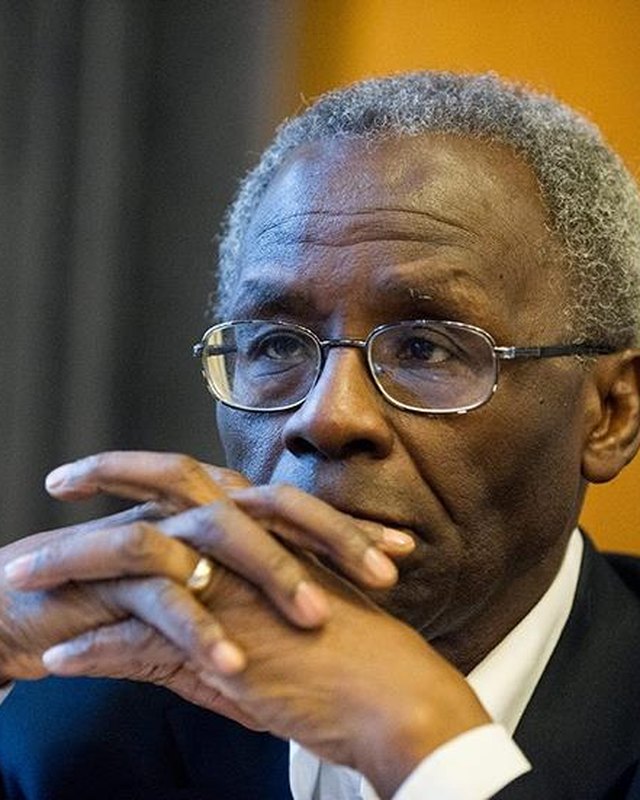

Professor Oyewale Tomori, from Ilesa, Osun State, Nigeria, is a distinguished virologist and academic. He earned his Doctor of Veterinary Medicine from Ahmadu Bello University and a PhD in Virology from the University of Ibadan. In 1981 he was appointed Professor of Virology at the University of Ibadan, where he also served as Head of the Department of Virology and Director of the WHO Collaborating Centre for Arbovirus Reference and Research.
From 1994 to 2004, Professor Tomori was the Regional Virologist for the World Health Organization Africa Region. During this period he established the African Regional Polio Laboratory Network, which provided diagnostic support for the global polio eradication initiative. He served as pioneer Vice-Chancellor of Redeemer's University, Nigeria, from 2004 to 2011.
Professor Tomori has been involved in research and containment efforts for viral haemorrhagic fevers (including Lassa fever, yellow fever, Ebola and Marburg) across several African countries. His contributions have been recognised with numerous honours, including the Nigeria National Order of Merit (NNOM) in 2002. He is a Fellow of the Nigerian Academy of Science, the Royal College of Pathologists (UK) and an international member of the U.S. National Academy of Medicine, and continues to serve on national and international advisory committees.
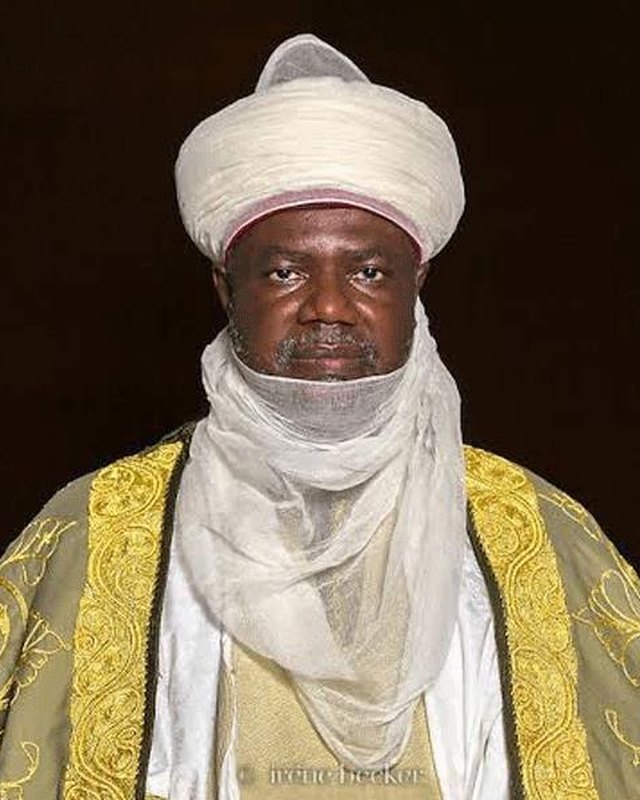
Alhaji Samaila Muhammadu Mera, CON, is the 19th Emir of Argungu, a revered traditional ruler and custodian of the rich cultural heritage of the Argungu Emirate in Kebbi State, Nigeria. He ascended the throne in 1996 and has distinguished himself as a visionary leader with a strong commitment to community development, particularly in education and health.
In the health sector, Emir Mera has been a key partner in public health advocacy, supporting maternal and child health campaigns, routine immunisation programmes and health awareness initiatives across the Argungu Emirate. He has worked closely with government agencies, NGOs and international development partners to strengthen primary healthcare services and improve health infrastructure for underserved populations.
Beyond his role as a traditional leader, Emir Mera is recognised nationally for his contributions to peacebuilding, interfaith dialogue and grassroots development, earning him the national honour of Commander of the Order of the Niger (CON). His leadership continues to inspire inclusive development, blending tradition with progressive values.
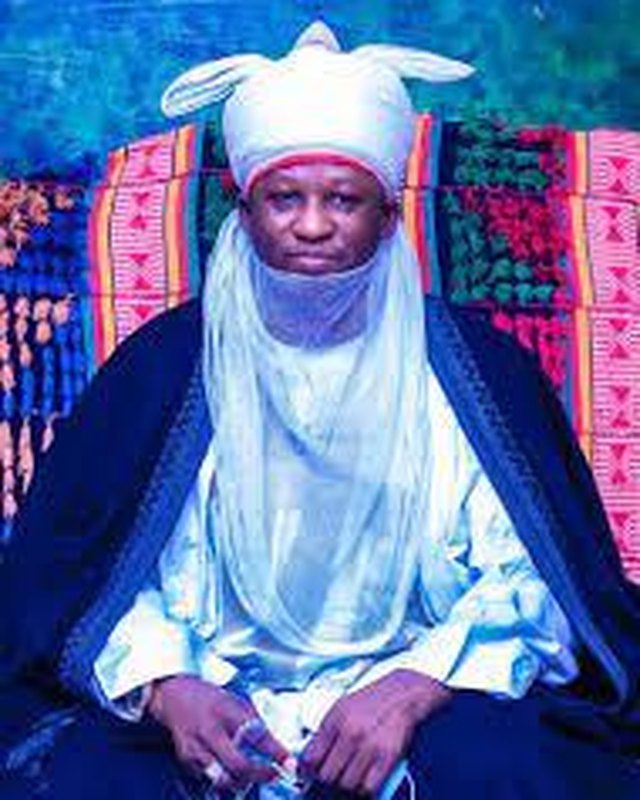
Alhaji Usman Bilyaminu Othman is the Emir of Dass in Bauchi State, Nigeria, and a distinguished traditional leader renowned for his unwavering commitment to education and healthcare development. With a professional background in agriculture and extensive experience collaborating with international development organisations, he has been a pivotal figure in advancing community well-being.
He is Chairman of the Bauchi State Emirate Councils Committee on Health (BASECCOH) and Co-Chair of the State Task Force on Primary Healthcare. His leadership has been instrumental in mobilising communities for improved healthcare access, particularly in immunisation and primary healthcare services. His proactive engagement extends to polio eradication efforts, where he has led door-to-door campaigns targeting zero-dose children and collaborated with other traditional rulers to enhance vaccine compliance in resistant communities.
Emir Othman has been a steadfast advocate for educational advancement in the Dass Emirate, supporting state initiatives to raise education standards and urging parents to prioritise schooling, particularly in areas affected by mining activities that disrupt academic pursuits. Working with the State Universal Basic Education Board (SUBEB), he has emphasised rigorous monitoring and evaluation to achieve educational objectives.
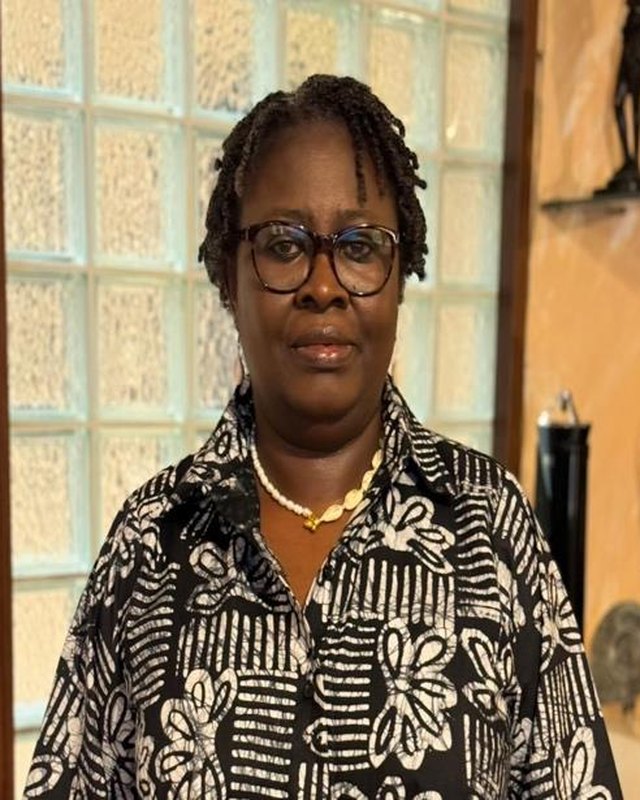
Dr Vivian Iwar is a distinguished Nigerian veterinarian and public health expert with over three decades of experience in veterinary science, epidemiology and regional health governance. She earned her Doctor of Veterinary Medicine from the University of Maiduguri in 1987, followed by advanced degrees in Veterinary Epidemiology and Animal Health Economics from the Royal Veterinary College, University of London, an MBA, and a Doctorate in Public Health Education and Promotion from Walden University in 2017.
Dr Iwar began her career at the National Veterinary Research Institute (1988–1991) and has since held key leadership roles, including Livestock Manager at the Benue State Agricultural Development Corporation and Programme Coordinator for livestock value chains at the FAO. She recently retired as Executive Director of the ECOWAS Regional Animal Health Center (RAHC), where she led regional strategies to control transboundary animal diseases and zoonoses.
Her leadership has been pivotal in initiatives such as the mass vaccination campaign against Peste des Petits Ruminants, aiming to eradicate the disease across all 15 ECOWAS member states by 2030. Dr Iwar co-chairs the United Against Rabies Forum and contributes to the World Veterinary Association's Policy Committee, reflecting her commitment to One Health and global health security.
Dr Zikrullah Giwa is a veterinarian, distinguished Nigerian public health expert and development strategist. Serving as public health advisor to the Nigeria Governors' Forum (NGF), Dr Giwa was instrumental in coordinating the Forum's health initiatives, particularly during the critical phase of the national polio eradication campaign.
Under his guidance, the NGF established a robust interface for collaboration on all health-related matters with each state, facilitating real-time monitoring and accountability. He provided regular briefings to governors, ensuring that immunisation efforts remained a top priority on the national agenda. His leadership fostered a unified approach among states, contributing significantly to Nigeria's removal from the global polio-endemic list.
Dr Giwa has been a steadfast advocate for strengthening primary healthcare systems and promoting routine immunisation across Nigeria. Beyond polio eradication, his expertise has been sought in various public health initiatives, reflecting his commitment to improving health outcomes at the grassroots level.
He currently serves as Chief Executive Officer of CHOLD Initiative, based in Abuja. In this role he leverages his experience from the public health sector to benefit the livestock sector, while building strategic partnerships and collaborations for sustainable livestock development in Nigeria.
Dr Giwa leads CHOLD Initiative's strategy, partnerships and technical direction from Abuja, bringing three decades of experience at the intersection of veterinary science, public health system strengthening and intergovernmental coordination.





Eight capabilities, each with a defined scope, strategic objective and expected impact.